












سلیکشن گائیڈ
PLD905-25W-P vs SPL PL90: two 25 W class 905 nm pulsed laser diodes
A datasheet comparison of PLD905-25W-P and SPL PL90 covering power definitions, emitter geometry, drive current, voltage, test conditions and substitution limits.
تازہ کاری 2026-11-16 · 3 منٹ پڑھیں
PLD905-25W-P and OSRAM SPL PL90 are both 905 nm short-pulse emitters in plastic packages, but the shared 25 W class label does not make them interchangeable. Their emitter structures, geometry, electrical operating points and datasheet conditions differ.
PLD905-25W-P is marketed as a 25 W part, while its characteristic table lists 29 W typical and 32.8 W maximum. SPL PL90 lists 25 W typical and 30 W maximum. Values taken under different conditions cannot be treated as a same-condition performance comparison.
Product: PLD905-25W-P.
Key comparison
| Parameter | PLD905-25W-P | SPL PL90 |
|---|---|---|
| Wavelength | 905 nm, 895-915 nm | 905 nm, 895-915 nm |
| Spectral width | 7 nm FWHM typical | 7 nm FWHM typical |
| Power definition | 25 W name; table 23.9 min / 29 typ / 32.8 max | 20 min / 25 typ / 30 max |
| Emitter | 70 x 10 um | 200 x 2 um |
| Divergence FWHM | 9 x 25 degrees typical | 11 x 25 degrees |
| Threshold current | 0.75 A typical | 0.75 A typical |
| Operating current | 11 A, 9-13 A | 30 A |
| Operating voltage | 9.4 V, 8.8-10 V | 4.3 V, 3.3-5.3 V |
| Standard repetition | 3 kHz | 1 kHz |
| Maximum pulse width / duty | 100 ns / 0.1% | 100 ns / 0.1% |
| Wavelength drift | 0.28 nm/K | 0.28 nm/K |
Emitter geometry
PLD905-25W-P uses three epitaxial stacked emitters and a 70 x 10 um emitting area. SPL PL90 uses a large optical cavity and a roughly 200 um lateral aperture. Those descriptions cannot be ranked by name alone.
The geometric products are about 700 um2 and 400 um2, but this is not effective emitting area and does not determine the final target spot. Collimation, far-field distribution, distance and alignment also matter. Use the spot-at-distance calculator for a first estimate.
Driver differences
PLD905-25W-P operates near 11 A and 9.4 V typical; SPL PL90 operates near 30 A and 4.3 V. A common driver is therefore not assumed:
- PLD needs higher compliance voltage and lower current.
- SPL needs lower voltage and higher pulse current.
- Loop inductance, switch voltage rating, connector drop and pulse probe bandwidth must be rechecked.
- The 1 kHz and 3 kHz reference conditions must be harmonised before comparing power and heating.
The product of typical current and voltage is only a scale check, not an efficiency measurement. Use the peak-power and average-power calculators to connect pulse width, energy and repetition rate.
Application fit
PLD905-25W-P lists handheld ranging, golf, hunting, construction measurement, UAV ranging/obstacle sensing and professional laser sensors. SPL PL90 lists range finding, security, illumination/ignition and test and measurement.
Application descriptions do not certify a finished product. Start with the LiDAR link-budget calculator, then include receiver sensitivity, target reflectance and ambient light.
Replacement checks
- Clarify the 25 W name, 29 W typical value and guaranteed procurement range.
- Compare current mechanical drawings, pin polarity, lead frame and emitter position.
- Measure optical power under identical pulse width, repetition, temperature and current.
- Measure voltage, current, edges, overshoot and reverse spikes on the real driver.
- Validate both axes of the far field and the collimated target-plane spot.
- Test power drift and life across temperature and repetition rate.
- Re-run complete-product laser-safety classification.
Conclusion: wavelength, spectral width, threshold current and temperature range are similar, but electrical operating points, emitter geometry and application fit differ. The PLD power definition must be clarified and a same-condition A/B test is required before substitution.
مصنوعات
متعلقہ مصنوعات
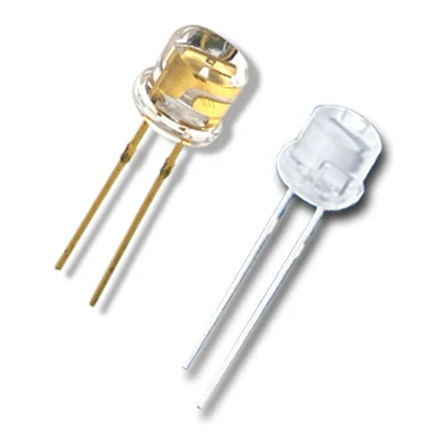 مولڈ شدہ پلاسٹک پیکیج
PLD905-25W-P
25 W زیادہ سے زیادہ، 905 nm، غیر مرکوز شدہ
کیلکولیٹر
اس ڈیٹا شیٹ کے ساتھ حساب لگائیں۔
ذیل میں ہر کیلکولیٹر اس حصے کے ڈیٹا شیٹ نمبروں کے ساتھ کھلتا ہے جو پہلے سے بھرے ہوئے ہیں، ان اکائیوں میں جو فیلڈز مانگتے ہیں۔
پلس چوٹی کی طاقت
پلس کی توانائی اور پلس کی چوڑائی سے فوری زیادہ سے زیادہ طاقت
اعلیٰ طاقت 25 W · پلس توانائی 0.0025 mJ · پلس چوڑائی 100 ns لیزر کی بنیادی معلوماتڈیوٹی سائیکل اور حرارتی لوڈ
پلس کی چوڑائی اور تکرار کی شرح سے لیزر کے فعال ہونے کا وقت کا حصہ۔
ڈیوٹی سائیکل 0.1 % · پلس چوڑائی 100 ns لیزر کی بنیادی معلوماتاوسط طاقت
تکراری شرح اور فی پلس توانائی سے مسلسل اوسط پاور۔
لیزر کی بنیادی معلوماتفاصلہ z پر اسپاٹ سائز
کمر سے فاصلے z پر بییم کا رداس۔
رینجنگ اور LiDARLiDAR لنک بجٹ
ریسیور پر کیپچر ہونے والی آپٹیکل پاور کا اندازہ لگائیں۔
متعلقہ پڑھنا
785 این ایم ملٹی موڈ ہوموجنائزڈ فائبر لیزر: یکساں روشنی، ٹوٹل سٹیشن آپٹکس اور توثیقی حدود
785 این ایم، 90 ایم ڈبلیو، 200/340 مائکرون ہوموجنائزڈ فائبر لیزر کے لیے ایک عملی رہنمائی، روشنی کی یکسانیت، ٹوٹل سٹیشن ضمنی آپٹکس، طاقت کے بجٹ اور پیمائش کا احاطہ کرتی ہے۔
آپٹکس905 این ایم رامن ڈی ٹی ایس: انجینئرنگ نفاذ اور تصدیقی رپورٹ
905 این ایم پلزد پمپ اور تقریباً 870/943 این ایم رامن چینلز سے لے کر ڈوئل اے پی ڈیز، ہم وقت سازی حاصل کرنا، فرقانی نقصان کی تصحیح، درجہ حرارت کی الٹ پھیر، کیلیبریشن اور پروٹوٹائپ کی تصدیق تک مکمل انجینئرنگ راستہ۔
سلیکشن گائیڈ905 nm بمقابلہ 1535 nm بمقابلہ 1550 nm: رینجنگ اور LiDAR کے لیے طول موج کا انتخاب
ویولینتھ کا فیصلہ آپ کے ڈیٹیکٹر، آپ کی آنکھوں کی حفاظت کی کلاس، آپ کی زیادہ سے زیادہ استعمال کی قابل توانائی اور آپ کی موسمی کارکردگی طے کرتا ہے۔ یہ ہے کہ تین بینڈ اصل میں رینجنگ کے کام کے لیے کس طرح موازنہ کرتے ہیں۔